Your hormones aren’t the problem. They’re the signal.
Hormonal symptoms, from irregular cycles and PMS to mood shifts, bloating, fatigue, and skin changes, are the body’s way of communicating that something deeper is out of balance. At Senuri, we listen to that signal and work to address what’s driving it.
What’s actually happening in your body
Hormonal imbalance is one of the most complex and nuanced areas of women’s health. Many women navigating hormonal symptoms are already working with a gynecologist, endocrinologist, or primary care provider, and that care is an important foundation. At Senuri, we work alongside it, bringing an additional lens to understanding the patterns beneath the symptoms.
The hormonal system is not isolated. Estrogen, progesterone, LH, FSH, cortisol, insulin, and thyroid hormones are all in constant conversation with one another, and with the nervous system, the digestive system, and the immune system. When one variable shifts, others follow. This is why a hormonal imbalance rarely shows up as a single symptom.
The fatigue that doesn’t resolve with rest. The week before your period that derails everything. The cycle that’s never quite regular. The mood that shifts without warning. The skin that flares when your stress does. The bloating that seems unrelated to what you ate.
These aren’t separate problems. They are one pattern, expressed across multiple systems, and that pattern has a root.
If any of these symptoms feel familiar, you are not alone, and you are not imagining it.
Common presentations we see at Senuri
PMS and PMDD
Painful periods
Irregular, absent, or heavy menstrual bleeding
PCOS
Perimenopause and menopausal transition
Hormonal acne and skin changes
Mood instability tied to the cycle
Fatigue and low energy that fluctuates with hormonal phases
Low libido
Symptoms following discontinuation of hormonal birth control
How acupuncture addresses hormonal imbalance
Acupuncture influences the hormonal system through several well-documented physiological mechanisms. At Senuri, treatment is always informed by both Eastern diagnostic frameworks and Western clinical understanding, because together, they allow for a depth of individualized care that we believe serves our patients well.
HPO Axis Regulation
The hypothalamic-pituitary-ovarian (HPO) axis is the master feedback loop that governs reproductive hormone production. Acupuncture may influence GnRH pulsatility from the hypothalamus, which in turn affects LH and FSH secretion from the pituitary, the hormones that drive follicle development, ovulation, and the luteal phase. For patients with irregular cycles, anovulation, or PCOS, this is one of the key mechanisms through which acupuncture is thought to support hormonal regulation.
Cortisol and the Stress-Hormone Connection
Chronic stress is one of the most significant and often under-addressed drivers of hormonal dysregulation. Elevated cortisol can affect progesterone production, disrupt the LH surge necessary for ovulation, and contribute to downstream hormonal shifts including cycle irregularity. Acupuncture has demonstrated meaningful effects on HPA axis regulation and cortisol regulation. Addressing the stress response is not peripheral to hormonal treatment at Senuri. It is central to it.
Inflammation and Prostaglandin Balance
Painful periods are largely driven by prostaglandins, inflammatory signaling molecules that cause uterine cramping. Research suggests acupuncture may help reduce prostaglandin levels and has demonstrated anti-inflammatory effects that can support menstrual pain relief, offering a non-pharmacological option alongside or in addition to conventional care.
Pelvic Circulation and Uterine Blood Flow
Adequate blood flow to the uterus and ovaries is essential for healthy menstrual function and endometrial development. Stagnation in pelvic circulation, which in Eastern medicine is referred to as blood stasis, is one of the most common patterns we identify in patients with painful, clotty, or irregular periods. Acupuncture has shown supportive evidence for improved uterine blood flow, which may help reduce the cramping and irregularity associated with poor pelvic circulation.
Eastern Diagnostic Framework
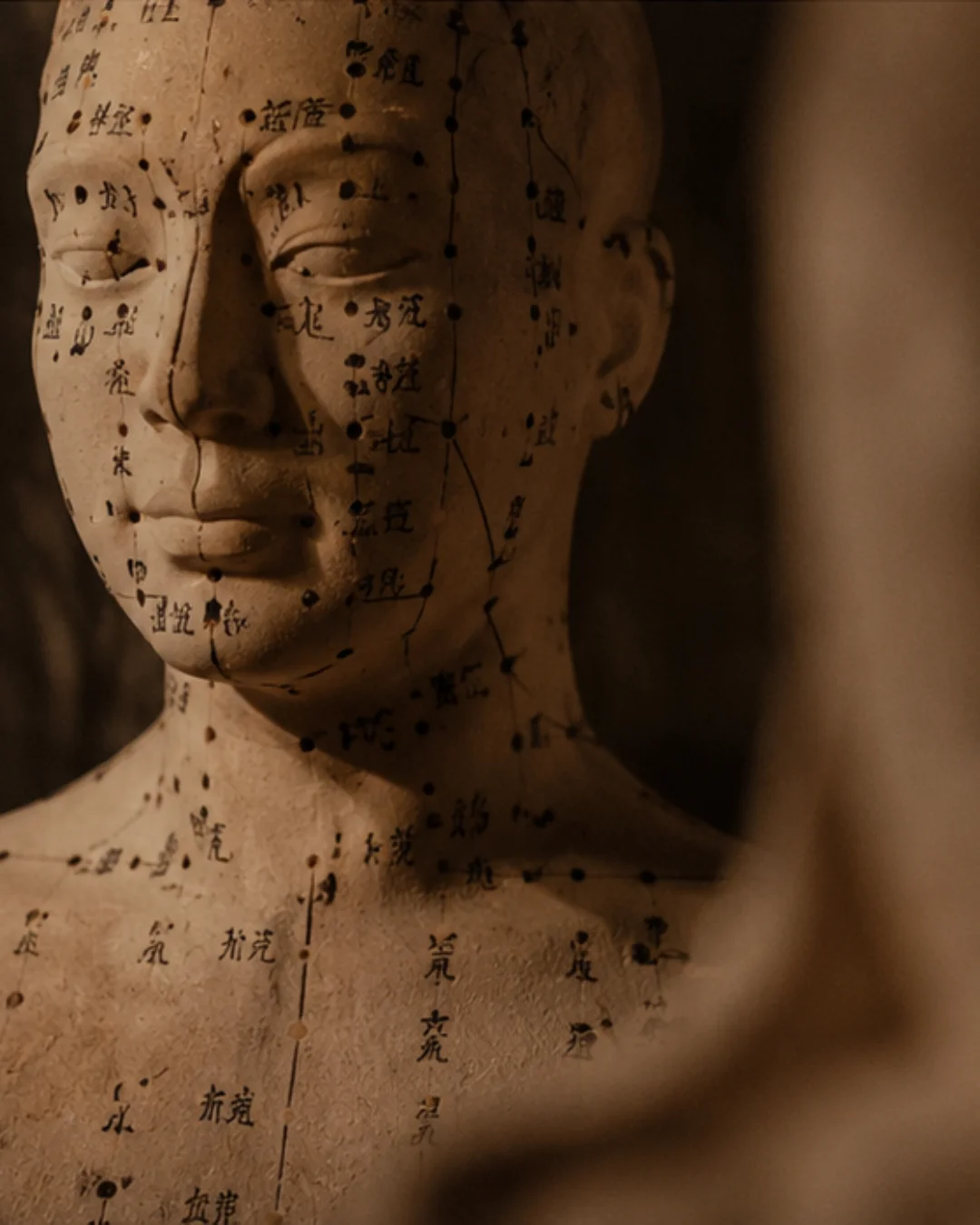
In addition to these Western mechanisms, each patient at Senuri receives a full Eastern medicine assessment. We identify patterns of qi deficiency, blood deficiency, liver qi stagnation, kidney deficiency, damp-heat, and more. These are diagnostic categories that map to specific symptom clusters and guide point selection in a way that is deeply individual to each patient. Two patients with the same diagnosis may receive meaningfully different treatments at Senuri, because their underlying patterns are different.
What the research says
The evidence base for acupuncture in hormonal and menstrual health has grown substantially over the past two decades.
Studies published in peer-reviewed journals have examined acupuncture’s effects on menstrual pain, cycle regularity, PCOS, and hormonal markers. Key findings include:
Acupuncture has been shown to significantly reduce menstrual pain in multiple randomized controlled trials, offering a meaningful option for those seeking non-pharmacological support alongside or instead of conventional treatment
Regular acupuncture treatment has been associated with measurable reductions in LH:FSH ratio in women with PCOS, a key hormonal marker of the condition
Acupuncture has been associated with reductions in testosterone levels in women with PCOS and with support for more regular ovulation
Studies have demonstrated reductions in salivary and serum cortisol following acupuncture treatment, with implications for every hormonal condition in which stress is a contributing factor
What to expect
Your first visit is a 90-minute consultation, where we take a detailed cycle and health history and build a picture of your pattern, not just your chief complaint.
For hormonal and menstrual conditions, treatment is often timed to specific phases of your cycle to maximize effect, and most patients notice shifts over the course of several cycles. Hormonal regulation is a process, not a single appointment, and those who commit to a full course of care tend to see the most lasting change.
We’re always happy to coordinate with your gynecologist, endocrinologist, and other providers.
This may be right for you if
You’ve been told your labs are “normal” but you know something is off
You’re living with irregular, painful, or absent periods, or PMS that disrupts your life
You’ve recently come off the pill and your cycle hasn’t returned to baseline
You’ve been diagnosed with PCOS, endometriosis, or hormonal imbalance and want an integrative approach to your care
Your perimenopause symptoms are affecting your quality of life and you want non-hormonal or complementary support
You’re preparing your body for pregnancy and want your cycle and hormonal health optimized before you begin trying
Every cycle tells a story. We're here to understand yours.